Introduction
As sustainability becomes an increasingly important consideration in the food packaging industry, manufacturers, food brands, and packaging converters are exploring alternatives to conventional plastic packaging. Paper-based materials are attracting attention because of their versatility, printability, and potential to support more responsible packaging solutions.
However, sustainable food packaging involves more than simply replacing plastic with paper. Businesses must also consider food safety, moisture and grease resistance, packaging performance, raw material sourcing, and end-of-life disposal. Selecting the right paper material is an important step toward balancing environmental goals with practical packaging requirements.
1. Why Paper-Based Food Packaging Is Gaining Attention
Food packaging plays an essential role in protecting products, maintaining hygiene, and providing convenience during storage, transportation, and consumption. At the same time, businesses are looking for ways to reduce unnecessary packaging materials and improve resource efficiency.
Paper and paperboard offer several potential advantages for food packaging applications.
Renewable raw material options. Paper can be produced from virgin pulp or recycled fibers, depending on the product's intended use and performance requirements. Responsibly sourced virgin fibers and appropriate recycled materials can both contribute to more considered material sourcing.
Versatile packaging applications. Different paper grades can be used for takeaway food boxes, paper cups, food trays, wrapping paper, and other packaging formats. Their properties can be tailored to specific converting and end-use requirements.
Printing and branding opportunities. Paper surfaces support a wide range of printing and finishing techniques, helping food brands communicate product information and create recognizable packaging designs.
Recycling potential. Many paper-based packaging products can be recycled when suitable collection and processing systems are available. However, coatings, food contamination, adhesives, and composite structures can affect recyclability.
Paper packaging is not automatically the most sustainable option in every situation. Its overall environmental performance depends on raw material sourcing, manufacturing processes, transportation, packaging design, and how the product is managed after use.
2. Common Paper Materials for Food Packaging
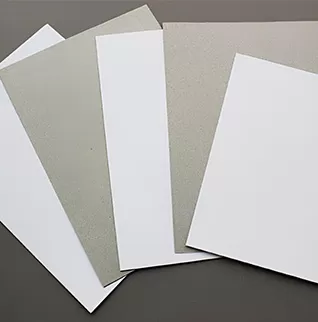
Different food products require different levels of stiffness, liquid resistance, grease resistance, and print quality. Choosing the right paper grade helps manufacturers achieve the required packaging performance without using unnecessary material.
The following table outlines several common paper-based materials and their typical applications.
| Paper Material | Typical Applications | Key Selection Considerations |
|---|
| Food-Grade Paperboard | Food boxes, trays, takeaway packaging | Food-contact compliance, stiffness, surface quality |
| Cupstock Base Paper | Paper cups and beverage containers | Formability, strength, compatibility with barrier treatments |
| PE-Coated Cupstock Paper | Hot and cold beverage cups requiring liquid resistance | Coating performance, sealing properties, intended food-contact use |
| Grease-Resistant Paper | Fast-food wrappers, bakery packaging, food liners | Grease resistance, temperature conditions, food-contact suitability |
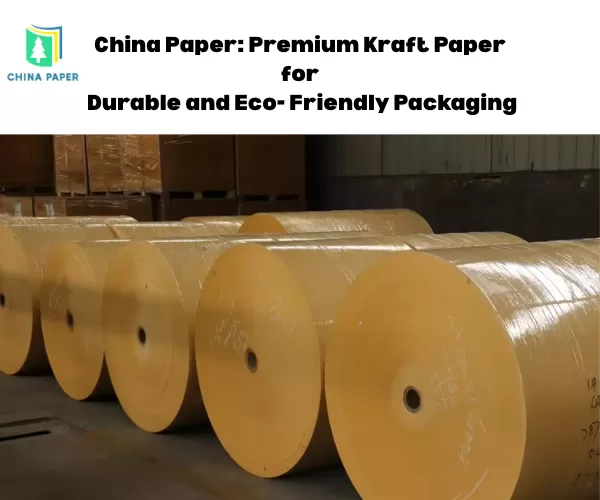
| Kraft Paper | Food bags, wraps, and selected outer packaging | Strength, converting performance, intended use and barrier needs |
The materials listed above are not interchangeable. For example, a paper grade suitable for dry bakery products may not provide sufficient protection for liquid or oily foods. Buyers should communicate their packaging structure, food type, processing conditions, and required barrier performance when selecting materials.
3. How to Evaluate the Sustainability of Food Packaging
Selecting a paper-based material is only the beginning. Businesses should evaluate the packaging system as a whole to understand its environmental implications and practical suitability.
| Evaluation Factor | Questions Buyers Should Ask | Why It Matters |
|---|
| Raw Material Sourcing | Are the fibers responsibly sourced? Is recycled content suitable for the application? | Supports responsible resource management |
| Material Efficiency | Can the required performance be achieved with an appropriate grammage? | Helps reduce unnecessary material consumption |
| Food Safety | Does the material meet the applicable requirements for its intended food contact? | Helps protect consumers and support regulatory compliance |
| Barrier Performance | Is resistance to water, oil, or grease required? | Helps maintain packaging integrity and prevent leakage or penetration |
| Recyclability | Can the finished packaging be collected and processed locally? | Determines whether recycling is practical in the target market |
| Packaging Design | Can the structure be simplified without compromising protection? | May improve material efficiency and end-of-life handling |
These factors should be considered together rather than in isolation. For instance, a barrier coating may be necessary to protect food and prevent leakage, but its composition and compatibility with local recycling systems should also be evaluated. Similarly, reducing grammage may lower material consumption, but only when the packaging retains sufficient strength and protection. A package that fails during transportation or causes food waste may undermine the intended environmental benefits.
4. The Role of Food Safety and Barrier Technology
Food safety remains a fundamental requirement for sustainable food packaging. Paper intended for food contact must be suitable for its specific application and comply with the relevant regulations in the destination market.
Important considerations include the type of food being packaged, contact duration, temperature, and whether the material is intended for direct or indirect food contact. Buyers should also confirm the suitability of inks, coatings, adhesives, and other components used in the finished package.
For applications involving liquids, moisture, or oily foods, additional barrier properties may be required. PE-coated cupstock, for example, is commonly used where liquid resistance and heat-sealing performance are needed. Other barrier technologies may be appropriate depending on the product and the packaging design.
It is important to assess the complete packaging structure rather than the base paper alone. The coating or treatment can influence food-contact suitability, converting performance, and recyclability.
5. Practical Ways to Make Food Packaging More Sustainable
Packaging manufacturers and food brands can take several practical steps toward more responsible material use.
Match paper specifications to the application. Select an appropriate grammage and paper grade based on strength, stiffness, and barrier requirements.
Avoid unnecessary packaging layers. Review the package structure and remove redundant components where product protection and food safety can be maintained.
Consider the full packaging lifecycle. Evaluate raw materials, manufacturing, transportation, use, and disposal rather than focusing on a single environmental attribute.
Check local recycling conditions. Confirm whether the finished package can be collected and processed within the target market's recycling infrastructure.
Work with reliable material suppliers. Clear communication about specifications, intended applications, and compliance documentation helps reduce sourcing uncertainty.
These steps can help businesses develop packaging solutions that meet operational needs while supporting their wider sustainability objectives.
6. China Paper: Paper Solutions for Food Packaging
As demand for more responsible packaging continues to develop, selecting suitable paper materials is becoming an important part of product and supply-chain planning.
China Paper provides paper and paperboard solutions for various packaging applications, including food-grade paperboard and cupstock base paper. These materials serve as options for converters and packaging manufacturers developing food boxes, paper cups, and other paper-based packaging products.
The most suitable specification depends on the intended application, required grammage, converting equipment, barrier performance, and applicable food-contact requirements. Evaluating these factors early can help buyers identify materials that meet both production needs and packaging objectives.
Conclusion: Building a More Responsible Packaging Future
The transition toward sustainable food packaging requires a balance between environmental considerations, food safety, and functional performance. Paper-based materials can contribute to this transition when they are responsibly sourced, appropriately designed, and managed through suitable end-of-life systems.
For food brands, converters, and packaging manufacturers, the next step is to evaluate packaging requirements carefully and choose materials that deliver the necessary performance without unnecessary complexity. With informed material selection and efficient packaging design, the industry can continue exploring practical pathways toward a more responsible packaging future.
 English
 français
 Deutsch
 Español
 italiano
 русский
 português
 tiếng việt
 Türkçe
 العربية
 Indonesia