Overview
Parchment paper—often referred to as baking paper—is widely used in food processing, home baking, commercial bakeries, and modern food packaging. Despite its name, parchment paper is not made from animal-based materials. Instead, it is produced from plant fibers, refined and treated to deliver exceptional non-stick, heat-resistant, and oil-proof performance.
As a professional supplier in the global paper industry, China Paper provides high-quality parchment paper designed to meet food safety standards and the increasing demand for sustainable packaging solutions. This article introduces parchment paper from four key perspectives: definition & structure, functional properties, common applications, and market trends.
1. What Is Parchment Paper?
Parchment paper is a type of paper made from plant-based pulp that undergoes silicone coating or sulfurization treatment to achieve:
Non-stick performance
High temperature resistance
Strong grease resistance
It differs significantly from similar products:
Wax paper is coated with wax or paraffin and cannot be used in ovens.
Aluminum foil withstands heat but lacks breathability and non-stick properties.
High-quality parchment paper—such as those manufactured by China Paper—is typically made with:
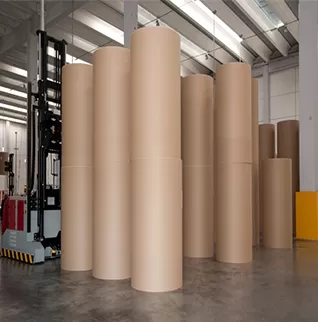
100% virgin wood pulp
Food-grade silicone coating
Chlorine-free bleaching options
Consistent fiber structure for stable performance
These elements ensure reliability in both home baking and industrial food production.
2. Key Properties and Performance
When evaluating parchment paper or baking paper, several performance characteristics are essential:
1) Heat Resistance
Premium parchment paper can handle temperatures up to 220–230°C without burning, deforming, or emitting odors, making it suitable for ovens and air fryers.
2) Non-Stick Surface
The silicone coating provides excellent release properties, allowing baked goods such as cookies, cakes, and pastries to be easily removed while reducing cleanup time.
3) Grease and Moisture Resistance
Parchment paper prevents oil penetration, which helps maintain food texture, packaging hygiene, and overall product presentation.
4) Food Safety Compliance
China Paper's parchment paper meets stringent international standards, including:
FDA (U.S.)
EU 1935/2004
GB food-contact regulations
Eco-friendly features—such as biodegradable base paper and chlorine-free bleaching—align with global sustainability trends.
5) Flexible Converting & Customization
China Paper's production lines support various formats, including:
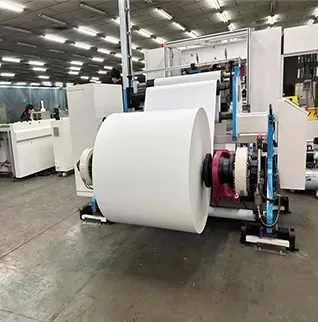
Jumbo rolls
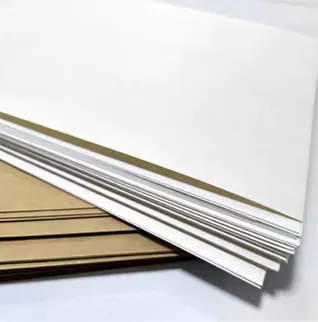
Pre-cut sheets
Pop-up sheets
Custom printing with brand logos
Retail and wholesale packaging
3. Main Applications
Parchment paper is a versatile material with broad usage in both household and professional environments.
Ideal for cookie trays, cake molds, roasting vegetables, and air fryer liners. Its non-stick qualities simplify food release and cleaning.
Ensures efficient production, reduces product breakage, and enhances sanitation control in high-volume operations.
Used as liners for bakery boxes, wraps for sandwiches and fried food, and inner layers of takeaway containers to prevent oil leakage.
Suitable for “en papillote” (paper-wrapped cooking), which keeps moisture and flavor sealed during baking.
China Paper provides printed parchment paper that helps cafés, restaurants, and retail brands enhance visual identity and elevate customer experience.
4. Market Trends and Industry Outlook
The global parchment paper market continues to expand steadily.
In 2025, the market reached USD 1.27 billion, with forecasts projecting USD 1.86 billion by 2032, reflecting a CAGR of 5.6%.
Growth drivers include:
Rising home baking culture
Increased demand for fast-food and delivery packaging
Global preference for sustainable, biodegradable packaging
Growth of café chains and bakery brands
Key industry trends:
Transition toward eco-friendly and chlorine-free parchment paper
Product diversification (rolls, pre-cut sheets, bleached & unbleached)
Higher demand for custom-printed parchment paper
Growing regulation of food-contact materials
Cost fluctuations in pulp and silicone raw materials
China Paper continuously upgrades its production standards and sustainability strategy to meet evolving market requirements.
Frequently Asked Questions (FAQ)
1. Is parchment paper safe for oven use?
Yes. China Paper's parchment paper is heat-resistant up to 220–230°C, suitable for ovens and air fryers.
2. What is the difference between parchment paper and wax paper?
Wax paper contains paraffin and cannot withstand high heat. Parchment paper uses silicone and is oven-safe.
3. Can parchment paper be customized with logos or patterns?
Yes. China Paper offers custom printing, including branding for cafés, bakeries, and catering businesses.
4. Is parchment paper eco-friendly?
Our products are available in biodegradable, compostable, and chlorine-free grades, depending on customer needs.
5. What formats do you offer?
We supply rolls, sheets, pop-up sheets, and private-label retail packaging.
 English
 français
 Deutsch
 Español
 italiano
 русский
 português
 tiếng việt
 Türkçe
 العربية
 Indonesia