Introduction
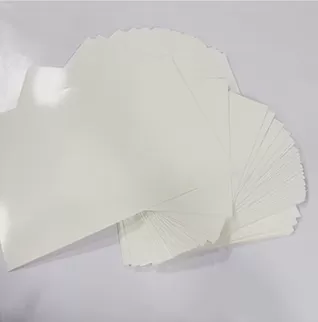
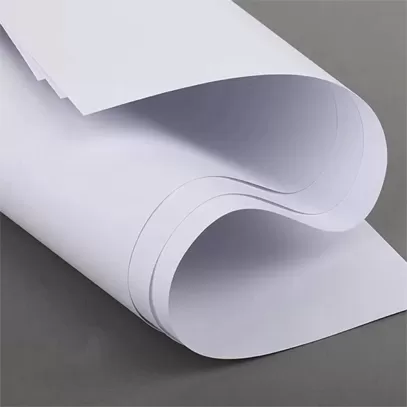
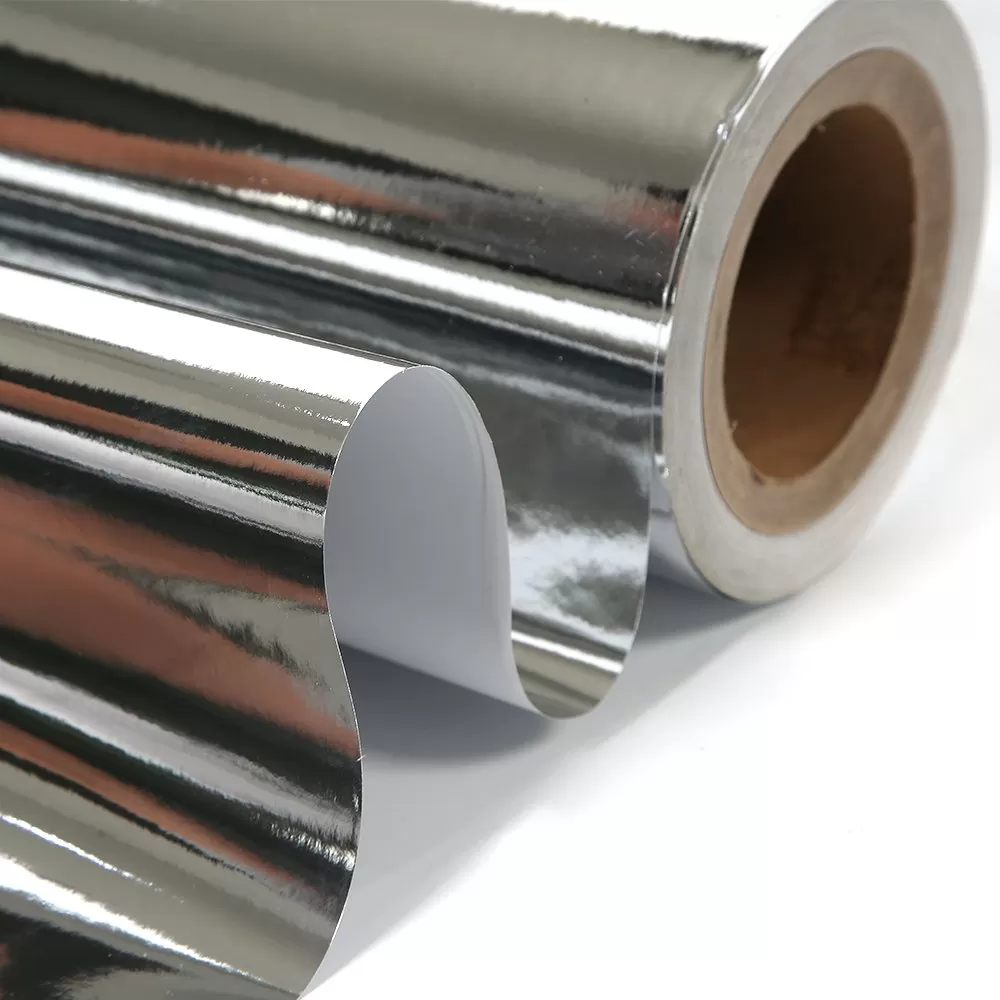
China Paper's metallized paper is a specialised product that is made through vacuum metallization. This gives the paper a bright, reflective and premium-looking surface, while retaining its flexibility, light weight and printability. Due to its combination of functionality and visual appeal, metallized paper (also known as metallic paper) has become a go-to choice in packaging, labelling, and promotional materials across various industries.
Key Features of Metallized Paper
Premium Visual Appeal: The metallic layer provides a glossy, eye-catching finish that enhances shelf presence—one of the key reasons why metallic paper is used in high-end branding.
Excellent Printability: Its smooth, treated surface allows for high-quality metalized paper printing with vivid colors and detailed graphics, supporting methods such as offset, flexography, and digital printing.
Functional Barrier Properties: Metallized paper provides moderate protection against moisture, oxygen, and light, helping to maintain the freshness of packaged goods.
Sustainability: Unlike plastic films, metallized paper is recyclable and biodegradable, meeting growing demand for sustainable packaging.
Lightweight and Cost-Effective: It delivers the look of foil or metalized film at a lower weight and cost.
How Is Metallized Paper Produced?
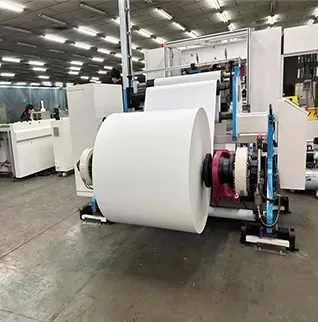
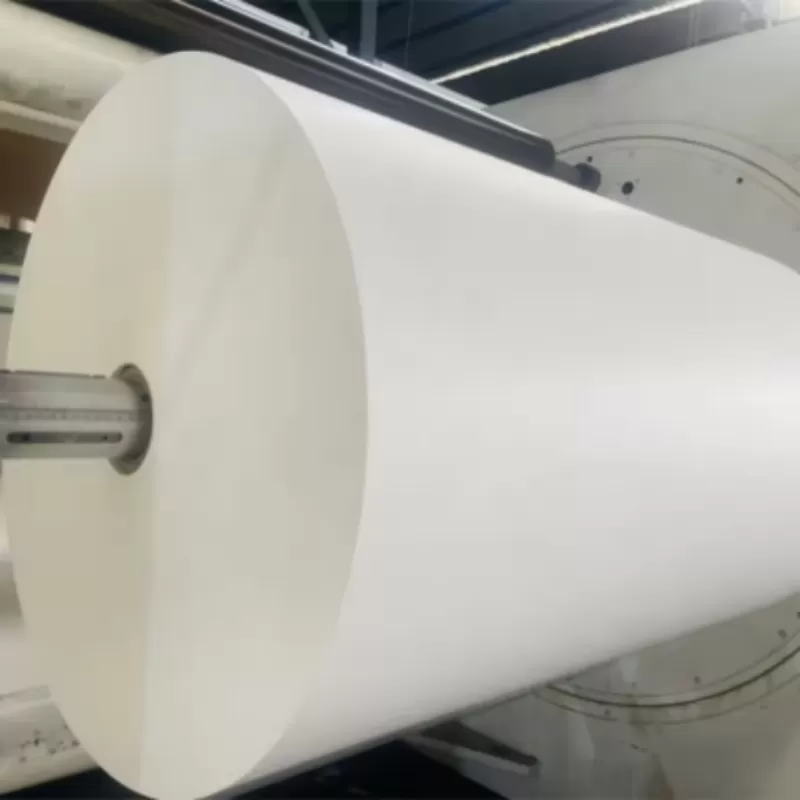
China Paper's metallic paper is manufactured through a vacuum metallization process where aluminum is evaporated in a vacuum chamber and deposited onto paper in a thin, reflective layer. Variations include:
Some variations also include:
Lamination: A metallized polyester film is laminated onto paper for improved barrier properties.
Patterned Metallization: Patterns or partial metallization are used for special decorative effects.
Surface Treatments: Coatings such as primers or varnishes improve ink adhesion and durability.
Types of Metallized Paper
Gloss Metallized Paper – Offers a bright, mirror-like finish for high-impact visuals.
Matte Metallized Paper – Provides a softer, elegant look with reduced glare.
Holographic Metallized Paper – Creates dynamic, 3D-like patterns for premium branding and anti-counterfeit applications.
Barrier-Enhanced Metallized Paper – Features improved moisture and gas barrier properties, often used for food packaging.
Applications and Use Cases
Metallic paper is used across several industries where both performance and visual appeal are key:
Food and Beverage Packaging – Chocolate wrappers, snack pouches, tea and coffee packaging, and bottle labels.
Luxury and Personal Care – Perfume boxes, cosmetic cartons, and premium product labels.
Tobacco Packaging – Widely used in cigarette boxes for its premium look and protective properties.
Gift Wraps and Promotions – Attractive, metallic finishes for festive packaging and advertising materials.
Eco-Friendly Alternatives – A sustainable replacement for metallized films and foils in some applications.
Metallized Paper vs. Metallized Film
While both have metallic finishes, there are key differences:
Weight and Flexibility: Metallized paper is lighter and easier to handle than most metallized films.
Printability: Paper offers better ink adhesion and is suitable for a wider range of printing methods.
Barrier Performance: Metallized films generally provide stronger moisture and oxygen barriers.
Sustainability: Metallized paper is more eco-friendly, being recyclable and often biodegradable.
Best Practices for Metalized Paper Printing
Printing on metallized paper requires specialized techniques due to its non-absorbent, high-reflectivity surface. Unlike standard paper, the metallic layer does not allow ink to penetrate the fibers, making ink adhesion and drying critical factors for success.
1. Utilize UV Inks for Superior Adhesion
Because the surface of metallized paper is non-porous, traditional oxidizing inks may struggle to dry, leading to smudging or "set-off."
UV-Cured Inks: We highly recommend using UV (Ultraviolet) inks. These inks cure instantly when exposed to UV light, forming a strong mechanical bond with the metallic coating. This ensures vibrant colors, sharp details, and excellent scratch resistance.
Ink Opacity: When printing on holographic or silver surfaces, using a White Opaque Underprint is a common best practice. This allows you to "block out" the metallic effect in specific areas, ensuring text remains legible while other elements maintain their brilliant metallic luster.
2. Managing Static Electricity
Metallized paper, being a combination of aluminum and paper, can act as a conductor and is prone to generating static electricity, especially in low-humidity environments.
The Challenge: Static can cause sheets to stick together, leading to misfeeds in the press or uneven ink distribution.
The Solution: Ensure your printing facility maintains a stable relative humidity (typically 50-60%). The use of anti-static bars (ionizers) on the feeder and delivery ends of the printing press is essential to neutralize charges and ensure smooth high-speed production.
3. Surface Tension & Priming
To guarantee long-term durability, the surface tension (measured in dynes) of the metallized layer must be optimized.
In-line Priming: If you are using standard offset printing, applying a specialized primer before the main ink units can significantly improve the "wetting" of the ink and prevent peeling.
Dyne Testing: Always perform a dyne level test before a large production run to ensure the surface is ready for optimal ink receptivity.
How to Choose the Right Metallized Paper
When selecting metallized paper, consider the following key factors:
End Use and Application: Different thicknesses and finishes are required for labels, wrapping and rigid cartons.
Printing Method: Ensure it is compatible with offset, flexo or digital printing for optimal results.
Barrier Requirements: For moisture- or light-sensitive products, opt for enhanced barrier metallized papers.
Aesthetic Requirements: Select from glossy, matte or holographic finishes based on branding requirements.
Sustainability Goals: Look for recyclable or FSC-certified metallized papers.
Cost vs. Performance: Balance the visual impact and protective features with budget constraints.
Market Trends and Outlook
With increasing demand for sustainable and visually appealing packaging, metallized paper is seeing rapid growth in sectors such as food and beverage, cosmetics, and luxury goods. Advances in vacuum metallization technology are making it possible to create thinner, lighter, and fully recyclable metallized papers. Brands are increasingly turning to metallized paper as a substitute for plastic films to meet consumer and regulatory demands for eco-friendly packaging.
Conclusion
China Paper's Metallized paper offers an ideal combination of aesthetic appeal, printability, functional performance, and environmental benefits. Whether used for labels, wraps, or premium packaging, it provides a cost-effective way to make products stand out on the shelf. China Paper is committed to supplying high-quality metallized papers that meet diverse packaging needs, helping brands achieve superior shelf appeal and sustainable solutions. Understanding the different types of metallised paper, how they are produced, and their application-specific requirements will help you choose the perfect paper to match your branding and sustainability goals.
Frequently Asked Questions (FAQ) About Metallized Paper
Is metallized paper recyclable and eco-friendly?
Yes, vacuum metallized paper is a sustainable and recyclable packaging solution. Unlike plastic-laminated foils, it uses a microscopic aluminum layer (less than 0.1μm) that does not interfere with the standard repulping process. It is an excellent plastic-free alternative for brands looking to meet sustainability goals without sacrificing premium aesthetics.
What is the difference between metallized paper and aluminum foil?
The primary difference lies in the substrate and thickness. Metallized paper is a paper base coated with aluminum vapor, offering superior flexibility, lighter weight, and better printability. Aluminum foil is a solid, thicker metal sheet that provides a total barrier but is more expensive and harder to recycle when laminated.
What industries use metalized printing the most?
Metalized printing is widely used in high-end sectors where shelf appeal is critical. Key industries include:
Beverage: Premium beer and wine labels.
Tobacco: High-gloss inner liners and cigarette packs.
Confectionery: Luxury chocolate wrappers and snack pouches.
Cosmetics: Reflective cartons for perfumes and skincare products.
Can I use regular offset ink for metalized paper printing?
While possible, it is not recommended for optimal results. Because the metallic surface is non-absorbent, we recommend using UV-cured inks or specialized oxidative inks designed for non-porous substrates to prevent smudging and ensure strong ink adhesion.
Does metallized paper provide a moisture barrier?
Yes, metallized paper offers a moderate functional barrier against moisture, oxygen, and light. For products requiring extreme shelf life, such as coffee or certain pharmaceuticals, we offer Barrier-Enhanced Metallized Paper that provide superior protection compared to standard metallic paper.
 English
 français
 Deutsch
 Español
 italiano
 русский
 português
 tiếng việt
 Türkçe
 العربية
 Indonesia