Introduction
In today’s packaging industry, businesses are increasingly looking for materials that combine functionality, sustainability, and visual appeal. One material that perfectly fits these requirements is glassine paper. From food packaging to label backing and pharmaceutical applications, glassine paper has become a preferred solution across multiple industries. In this guide, China Paper will walk you through everything you need to know—from definition and manufacturing process to key benefits and applications.
What Is Glassine Paper?
Glassine paper is a smooth, glossy, and semi-transparent specialty paper made from high-quality wood pulp. Through a process called supercalendering, the paper becomes dense, tightly bonded, and almost film-like in appearance. Unlike coated or waxed papers, glassine is uncoated yet naturally resistant to grease, moisture, and air, making it a highly versatile packaging material.
Key Characteristics:
Smooth and glossy surface
Semi-transparent appearance
Grease and moisture resistance
High density and strength
Acid-free and pH neutral
These properties make glassine paper ideal for both protective and aesthetic packaging solutions.
Is Glassine Paper Eco-Friendly?
Yes—glassine paper is widely recognized as an environmentally friendly packaging material.
Because it is made from 100% wood pulp without plastic coatings, it is:
Fully recyclable
Biodegradable
Compostable
This makes it an excellent alternative to plastic packaging for brands pursuing sustainability goals.
How Is Glassine Paper Manufactured?
The production of glassine paper involves several specialized steps:
1. Pulp Preparation
Wood is processed into high-purity pulp with lignin removed.
2. Sheet Formation
The pulp is formed into paper sheets and dried.
3. Supercalendering
The sheets are passed through high-pressure heated rollers, compressing the fibers and creating a dense, smooth surface.
4. Cooling & Finishing
The paper is cooled and rewound to maintain flatness and stability.
This process is what gives glassine its signature transparency and barrier properties.
Key Benefits of Glassine Paper
1. Excellent Grease Resistance
Glassine prevents oil and grease from penetrating, making it ideal for food packaging.
2. Moisture Resistance
While not fully waterproof, it provides reliable moisture protection.
3. High Transparency
Its translucent nature allows products to be visible, enhancing shelf appeal.
4. Smooth Surface for Printing & Converting
Perfect for labels, release liners, and branding applications.
5. Strong Yet Lightweight
Despite its thin structure, glassine offers high tensile strength and durability.
Common Uses of Glassine Paper
1. Food Packaging
Its grease resistance helps maintain product quality and cleanliness.
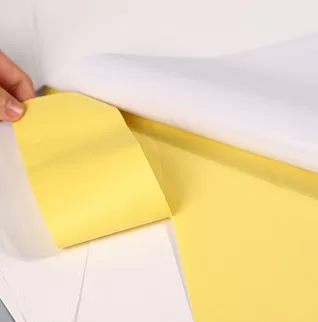
2. Label & Adhesive Industry
Glassine paper is one of the most important materials for:
It ensures smooth release and high-speed processing performance.
3. Pharmaceutical Packaging
Used for:
Capsule envelopes
Medical packaging liners
Its clean and protective properties meet hygiene standards.
4. Art & Archival Protection
Glassine paper is commonly used to protect:
Photographs
Paintings
Prints
Documents
Its acid-free nature prevents damage and contamination.
5. Retail & Consumer Packaging
Ideal for:
Clothing packaging
Soap wrapping
Handmade products
Eco-friendly bags
Its premium appearance enhances brand value.
Glassine Paper vs. Wax Paper
| Feature | Glassine Paper | Wax Paper |
| Coating | Uncoated | Wax-coated |
| Grease Resistance | Natural | High (due to wax) |
| Eco-Friendliness | Recyclable & biodegradable | Less eco-friendly |
| Surface | Smooth & glossy | Soft & waxy |
Glassine is often preferred for eco-conscious packaging, while wax paper is used for heavier grease applications.
Why Choose China Paper Glassine Paper?
At China Paper, we provide high-quality glassine paper tailored for global industries:
1. 100% virgin pulp raw materials
2. Stable quality for high-speed converting
3. Custom GSM and reel sizes
4. Food-grade and eco-friendly solutions
5. Reliable supply for international markets
Whether you are in packaging, labeling, or food industries, our glassine paper delivers both performance and sustainability.
Conclusion
Glassine paper is more than just a packaging material—it is a high-performance, eco-friendly solution that meets the evolving needs of modern industries. With its combination of transparency, strength, and grease resistance, it continues to replace traditional plastic-based materials in many applications. If you are looking for a reliable glassine paper supplier, China Paper is ready to support your business with consistent quality and professional service.
Glassine Paper FAQ
1. What is glassine paper used for?
Glassine paper is widely used across multiple industries due to its smooth surface, grease resistance, and semi-transparency.
Common applications include:
Food packaging (bakery, candy, butter wrapping)
Release liners for labels and tapes
Pharmaceutical packaging
Archival protection for artworks and documents
Retail and eco-friendly packaging
Because of its versatility, glassine paper is a preferred material in both industrial and consumer packaging solutions.
2. Is glassine paper food safe?
Yes, glassine paper is generally food-safe when produced with food-grade standards.
At China Paper, our glassine paper:
Uses 100% virgin wood pulp
Is free from harmful coatings or chemicals
Meets international food packaging requirements
It is commonly used for direct contact with bakery and confectionery products.
3. Is glassine paper waterproof?
Glassine paper is not fully waterproof, but it offers good moisture resistance.
Its dense fiber structure helps:
However, for heavy liquid contact, laminated or coated materials may be more suitable.
 English
 français
 Deutsch
 Español
 italiano
 русский
 português
 tiếng việt
 Türkçe
 العربية
 Indonesia