Introduction
As a resource- and energy-intensive industry, paper manufacturing is closely linked not only to product quality and supply efficiency, but also to environmental impact and long-term supply chain stability. Achieving a green and low-carbon transition—while maintaining consistent quality and reliable delivery—has become a central issue across the global paper industry.
1. Sustainability as an Industry-Wide Consensus
In recent years, regulatory frameworks such as the EU’s Carbon Border Adjustment Mechanism (CBAM) and global plastic reduction policies have significantly raised expectations for green supply chains. Brand owners, retailers, and end consumers are paying closer attention to environmental attributes, raw material sourcing, and carbon emissions throughout the production process.
For the paper sector, sustainability extends far beyond the “paper instead of plastic” trend. It encompasses several critical dimensions:
Legal compliance and traceability of raw materials
Energy structure optimization in manufacturing
Wastewater, exhaust gas, and solid waste management
Product recyclability and circular economy efficiency
This means companies must implement systematic sustainability strategies—from upstream sourcing to downstream applications—rather than focusing on isolated improvements.
2. China Paper’s Sustainable Development Path
As a global paper supplier and exporter, China Paper integrates sustainable development into its long-term corporate strategy. Our approach centers on three pillars: raw material control, production optimization, and product structure upgrading.
2.1 Strict Raw Material Management and Supply Chain Transparency
In procurement, we prioritize pulp sourced from responsibly managed forests to ensure legality, compliance, and traceability. By strengthening collaboration with upstream mills, we enhance supply chain transparency and reduce environmental and regulatory risks. Responsible sourcing is not only an environmental commitment—it is a safeguard for stable international trade and long-term partnerships.
2.2 Energy Efficiency and Emission Reduction in Production
In manufacturing, we work closely with partner mills to:
Improve equipment energy efficiency
Increase heat recovery utilization
Optimize steam system management
Gradually introduce cleaner energy sources
These measures reduce energy consumption per ton of paper and lower carbon intensity. In addition, strict wastewater treatment standards and solid waste management practices are implemented to improve water recycling rates and maximize resource utilization—aligning with global environmental compliance requirements.
2.3 Product Structure Upgrade: Expanding Paper-Based Alternatives to Plastic
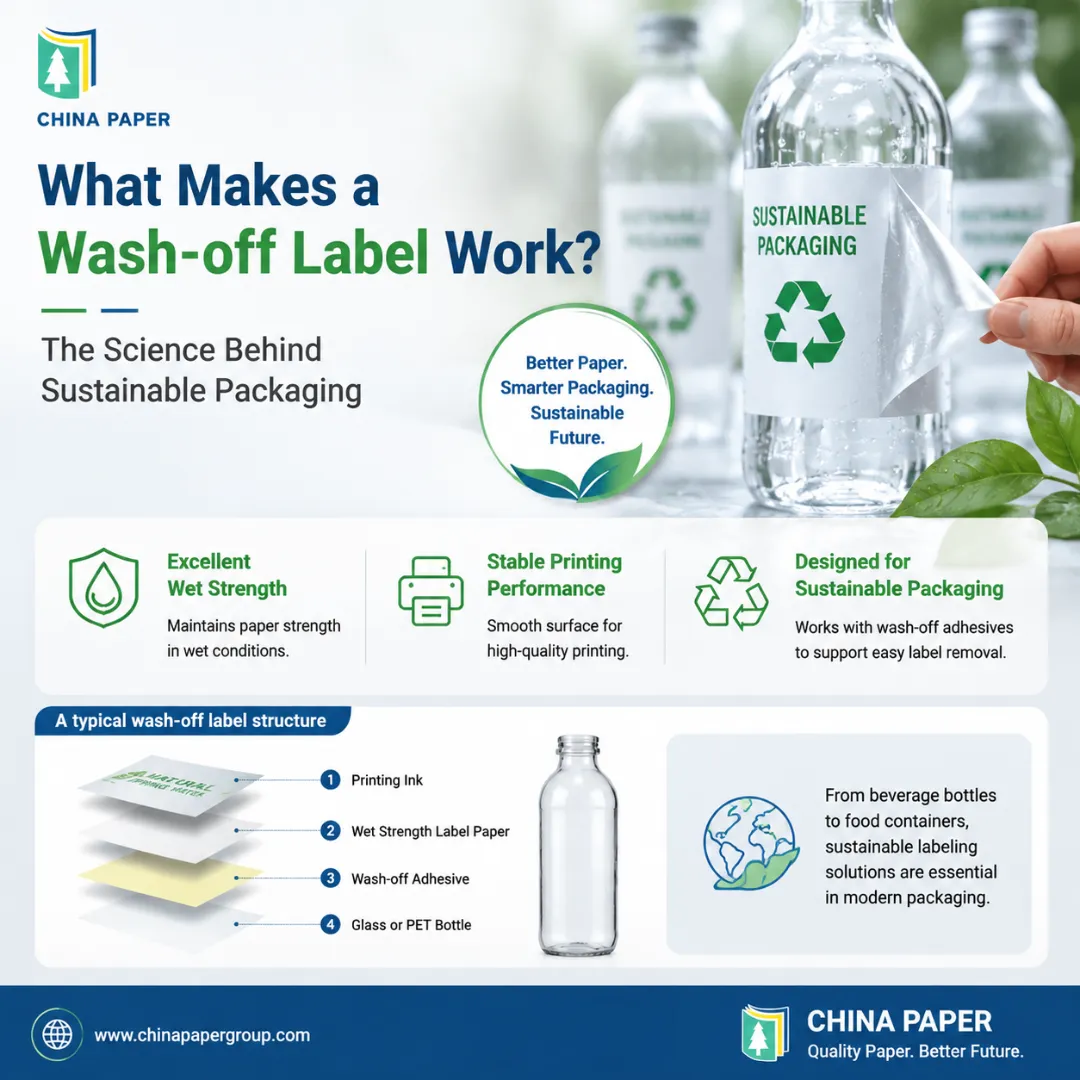
At the product level, China Paper actively promotes paper-based materials that can replace traditional plastic packaging, including:
In the food industry, high-strength and recyclable paper packaging is increasingly replacing plastic laminates. In retail applications, sustainable paper bags and folding cartons are becoming integral to brand sustainability strategies. Through technological upgrades and material innovation, paper is no longer merely a basic substrate—it is becoming a key enabler of the green supply chain.
3. From Compliance to Competitive Advantage: The Business Value of Sustainability
Sustainability is not simply a cost center—it is a driver of long-term competitiveness. In international trade, environmental certifications, carbon management systems, and ESG reporting are becoming essential criteria in supplier evaluation. Companies with clearly defined ESG pathways and measurable sustainability practices are more likely to secure partnerships with multinational brands and large-scale buyers. Moreover, optimized green product portfolios enhance brand reputation and create opportunities for value-added pricing in environmentally conscious markets.
4. Future Outlook: Building a Collaborative Green Paper Ecosystem
Sustainable development is a systemic undertaking that requires coordinated efforts across the entire supply chain. China Paper will continue strengthening collaboration with partners, customers, and industry stakeholders to promote information sharing and technical exchange, elevating the overall sustainability standard of the paper industry.
Looking ahead, we will focus on:
Reducing energy consumption per unit of output
Increasing the proportion of renewable resources
Expanding eco-friendly paper-based applications
Strengthening green compliance capabilities in international markets
With concrete actions, we are committed to advancing the paper industry toward a more low-carbon, environmentally responsible, and circular future. Sustainability is not just a trend—it is a responsibility. China Paper will continue delivering environmentally responsible, high-quality paper solutions to global customers, working together toward a greener and more sustainable future.
 English
 français
 Deutsch
 Español
 italiano
 русский
 português
 tiếng việt
 Türkçe
 العربية
 Indonesia