Introduction
MG paper and kraft paper are two widely used paper-based packaging materials in global supply chains, but they are designed for very different performance requirements. One focuses on surface finish and printability, while the other emphasizes mechanical strength and durability.Understanding the differences between them is important for packaging engineers, converters, and buyers selecting materials for food packaging, industrial wrapping, or retail applications.
What Is MG Paper? Structure, Manufacturing Principle, and Key Features
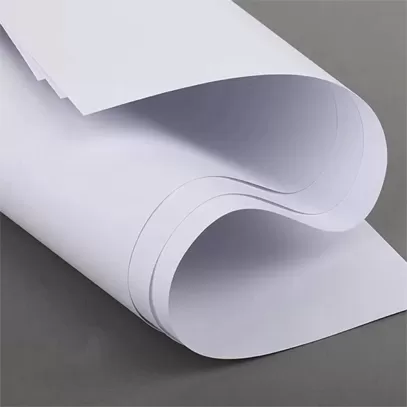
MG paper (Machine Glazed paper) is a specialty paper produced using a machine glazing process in which one side of the paper is pressed against a highly polished, heated drying cylinder. This process creates a naturally smooth and glossy surface on one side, while the reverse side retains a matte finish with its original fiber texture.
Typically manufactured in basis weights ranging from 30–70 gsm, MG paper offers an excellent balance of smoothness, flexibility, and strength. It is widely used for food packaging, wrapping paper, retail bags, labels, and other lightweight packaging applications. Depending on end-use requirements, MG paper is available in various grades, including MG White Paper and MG Poster Paper, providing suitable solutions for both printing and packaging. Unlike coated paper, MG paper develops its surface gloss through a mechanical glazing process rather than the application of a coating layer. As a result, it maintains the paper's natural flexibility and excellent folding performance while providing a smooth, printable surface suitable for flexographic, gravure, and offset printing.
What Is Kraft Paper? Material Composition and Industrial Role
Kraft paper is produced through the kraft pulping process, a chemical pulping method that preserves the long cellulose fibers found in wood. This manufacturing process gives the paper excellent tensile strength, tear resistance, and durability, making it one of the most widely used materials for industrial and commercial packaging. Kraft paper is available in both bleached and unbleached grades. Among them, natural brown kraft paper is the preferred choice for packaging applications because of its superior fiber strength, cost efficiency, and environmentally friendly appearance. It is commonly used to manufacture shopping bags, wrapping paper, sacks, envelopes, and protective packaging materials.
For heavy-duty packaging,kraft liner paperserves as the outer liner of corrugated board, providing the strength and durability required for shipping cartons and transport packaging. Compared with MG paper, kraft paper emphasizes mechanical performance and load-bearing capacity rather than surface smoothness, making it a better choice for protective and structural packaging applications.
MG Paper vs Kraft Paper: How They Differ in Real Use
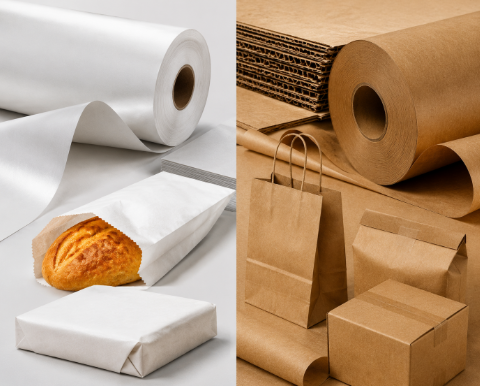
Although both materials are based on wood fiber, their performance differences become clear when applied in packaging environments. MG paper is optimized for surface appearance and printability, while kraft paper is designed for strength and resistance to tearing or deformation. The difference can be summarized through real application behavior rather than theoretical properties. For example, MG paper performs well in wrapping bakery products or lightweight retail packaging where visual presentation matters. Kraft paper, however, is more commonly used in shipping bags, corrugated packaging, and industrial wrapping where mechanical strength is essential.
Key differences in practical use:
MG paper focuses on smooth printing and surface finish
Kraft paper focuses on tensile strength and durability
MG paper is more suitable for lightweight packaging
Kraft paper is preferred for heavy-duty packaging systems
Material Comparison Table of MG Paper and Kraft Paper
| Feature | MG Paper | Kraft Paper |
| Surface Texture | One-side glossy | Natural rough |
| Strength | Medium | High |
| Fiber Type | Wood pulp | Virgin kraft fiber |
| Printability | High | Medium |
| Main Purpose | Wrapping & retail packaging | Industrial & shipping packaging |
Packaging Applications of MG Paper
MG paper is widely used in applications where flexibility and appearance are more important than load-bearing strength. In many packaging systems, MG paper is selected for its ability to combine light weight with acceptable print quality. Typical use cases include food wrapping, bakery packaging, and medical packaging where hygiene and surface cleanliness are important. In addition, mg white paper is often used in retail environments where packaging appearance contributes directly to product presentation.
Applications of Kraft Paper in Packaging Industry
Kraft paper is widely used in logistics, e-commerce, and industrial packaging due to its mechanical durability. It performs well under stress conditions such as stacking, transportation, and long-distance shipping. Common applications include shopping bags, corrugated box liners, and protective wrapping layers in export packaging systems. Its strength makes it suitable for products that require protection against tearing, compression, or external pressure.
MG Paper and Kraft Paper in Sustainable Packaging Trends
Sustainability is one of the main reasons both MG and kraft paper continue to grow in global packaging markets. MG paper supports lightweight packaging strategies that reduce material usage, while kraft paper supports recyclability and fiber reuse systems. Across the global paper market, both materials are increasingly used to replace plastic-based packaging in food and retail sectors. At the manufacturing level, companies such as China Paper Company continue to supply both MG and kraft paper grades to meet growing demand for fiber-based packaging solutions.
Which One Should You Choose?
The choice between MG paper and kraft paper depends mainly on the function of the packaging rather than cost alone. MG paper is more suitable when visual appearance and print quality are important, especially for food wrapping or retail packaging. Kraft paper is more appropriate when strength, durability, and protection are the primary requirements. In many real-world applications, manufacturers often use both materials within the same supply chain depending on packaging layers and product requirements.
Conclusion
MG paper and kraft paper each offer distinct advantages and are designed for different packaging requirements. MG paper is valued for its smooth, glossy surface, excellent printability, and flexibility, making it ideal for food wrapping, retail packaging, and other lightweight applications. Kraft paper, on the other hand, is recognized for its exceptional strength, tear resistance, and load-bearing performance, making it the preferred material for industrial packaging, shipping cartons, and corrugated board.
Choosing between MG paper and kraft paper depends on the specific performance requirements of the application. As demand for sustainable, fiber-based packaging continues to grow, both materials play an essential role in delivering reliable, recyclable, and environmentally responsible packaging solutions across a wide range of industries.
Frequently Asked Questions
1. What is MG paper used for?
MG paper is mainly used for food wrapping, bakery packaging, and lightweight retail packaging applications.
2. Is MG paper stronger than kraft paper?
No, kraft paper is generally stronger due to its virgin fiber structure and longer cellulose chains.
3. What does MG stand for in paper?
MG stands for Machine Glazed, referring to the manufacturing process that creates one glossy side.
4. Can kraft paper be used for food packaging?
Yes, kraft paper is widely used in food packaging, especially for dry goods and takeaway bags.
 English
 français
 Deutsch
 Español
 italiano
 русский
 português
 tiếng việt
 Türkçe
 العربية
 Indonesia