Introduction
The global paper industry is undergoing a structural shift in 2026. Instead of being dominated by price cycles, the market is increasingly driven by material performance, packaging upgrades, and evolving end-use applications. These changes are reshaping how paper products are developed, sourced, and applied across industries.
1. Paper-Based Packaging Is Replacing Traditional Materials
Across multiple industries, paper is rapidly expanding its role as a primary packaging material. Driven by regulatory pressure and brand strategy, companies are actively transitioning from plastic-based packaging to fiber-based solutions. This shift is particularly visible in food service, retail, and e-commerce sectors.
Key demand growth areas include:
The focus is no longer just on replacing materials, but on achieving performance, safety, and scalability.
2. Functional Paper Becomes a Core Growth Driver
The market is moving beyond conventional paper products toward performance-driven materials.
Emerging product developments include:
Oil-resistant and moisture-resistant paper
High-barrier paper replacing plastic laminates
Thermal paper and carbonless paper for commercial systems
Specialty paper for security and brand protection
These innovations allow paper to enter applications that were previously dominated by plastic or synthetic materials.
3. E-commerce Reshaping Paper Demand Structure
Global e-commerce growth continues to drive significant changes in paper consumption.
Beyond traditional corrugated packaging, there is increasing demand for:
Lightweight high-strength paperboard
Custom printed packaging materials
Protective inner packaging solutions
At the same time, brands are placing more emphasis on packaging design and customer experience, boosting demand for higher-grade coated paperboard and specialty papers.
4. Integration of Paper with Digital Applications
Paper is no longer just a physical medium—it is becoming part of digital ecosystems.
New applications include:
QR code-enabled packaging
Smart labels and tracking systems
Interactive printed materials
This trend transforms paper into a functional interface between physical products and digital information, especially in logistics and retail.
5. Higher Requirements for Quality and Supply Reliability
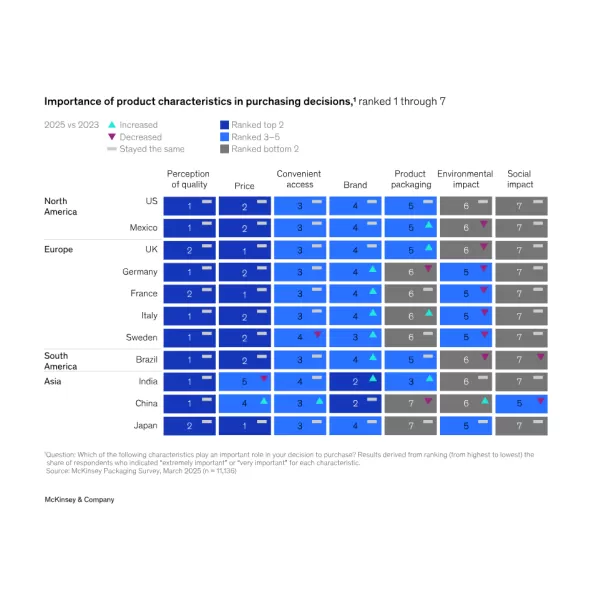
Buyers are becoming more selective, focusing not only on price but also on:
For exporters, this means stronger emphasis on stable quality and customized solutions rather than commodity-grade supply.
How China Paper Responds to These Trends
China Paper continues to align with evolving market demands by:
Expanding its range of functional and packaging paper products
Offering flexible customization based on application requirements
Maintaining strict quality control standards
Supporting global customers with stable and reliable supply
Our product portfolio covers packaging paperboard, specialty paper, and industrial paper grades designed for diverse end-use industries.
Conclusion
The paper industry in 2026 is defined by application-driven innovation and packaging transformation. Functional performance, product adaptability, and end-use demand are now the primary forces shaping the market. Companies that align with these trends will be better positioned to capture long-term growth opportunities.
FAQ
Q1: What is driving the paper industry in 2026?
The industry is mainly driven by packaging demand, functional material innovation, and evolving application requirements.
Q2: What is functional paper?
It refers to paper with enhanced properties such as barrier resistance, durability, or specialized surface performance.
Q3: Why is e-commerce important for paper demand?
E-commerce increases the need for packaging materials, especially high-performance and customized paper solutions.
Q4: What do buyers focus on besides price?
Buyers increasingly prioritize quality consistency, technical performance, and supply stability.
 English
 français
 Deutsch
 Español
 italiano
 русский
 português
 tiếng việt
 Türkçe
 العربية
 Indonesia