Introduction
Thermal paper has become an essential material in modern commerce, widely used in point-of-sale (POS) systems, logistics labeling, banking receipts, and ticketing applications. With the rapid expansion of retail digitalization and global supply chains, demand for high-performance thermal paper continues to grow steadily. At China Paper, we provide high-quality thermal paper solutions engineered for consistent imaging performance, durability, and compatibility with various printing systems across global markets.
What Is Thermal Paper?
Thermal paper is a specialty paper coated with heat-sensitive chemicals that react when exposed to a thermal printhead. Instead of using ink or toner, the coating layer turns black upon heating, forming text or images instantly.
Basic Structure
Base paper: High-quality wood pulp paper
Thermal coating: Heat-reactive layer (leuco dyes + developers)
Top coating (optional): Enhances durability, water resistance, and scratch resistance
Back coating (optional): Improves printhead protection and anti-static performance
Key Market Drivers
1. Retail and POS System Expansion
The global retail sector continues to rely heavily on printed receipts despite digital alternatives. Supermarkets, restaurants, and convenience stores remain the largest consumers of thermal paper.
2. Logistics and E-commerce Growth
With cross-border e-commerce expanding rapidly, thermal labels are critical for:
Shipping labels
Barcode tracking
Warehouse management systems
3. Banking and Ticketing Applications
Thermal paper is widely used for:
ATM receipts
Queue tickets
Transport tickets
Parking systems
Technology Trends in Thermal Paper
1. BPA-Free and Eco-Friendly Solutions
Regulations in regions like Europe and North America are accelerating the shift from BPA-based coatings to safer alternatives such as:
BPS-free coatings
Phenol-free thermal paper
This transition is becoming a key purchasing criterion for international buyers.
2. High-Sensitivity Coatings
Modern thermal paper offers:
3. Durability Enhancement
Top-coated thermal paper provides:
Challenges Facing the Industry
1. Digital Substitution Pressure
While e-receipts are growing, full replacement of thermal paper is unlikely in the short term due to:
2. Raw Material Price Volatility
Fluctuations in pulp and chemical prices impact production costs and pricing strategies.
3. Environmental Concerns
Sustainability remains a critical issue, pushing manufacturers to:
Reduce chemical usage
Improve recyclability
Develop greener coatings
At China Paper, our thermal paper products are designed to meet international standards and diverse application needs:
1. Stable Quality
Uniform coating ensures consistent print clarity
Smooth surface for reliable printer performance
2. Wide Product Range
POS rolls
ATM rolls
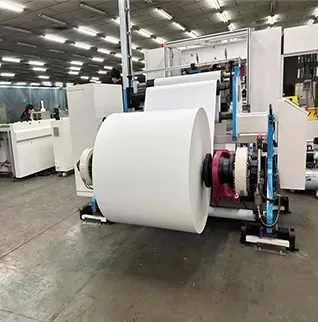
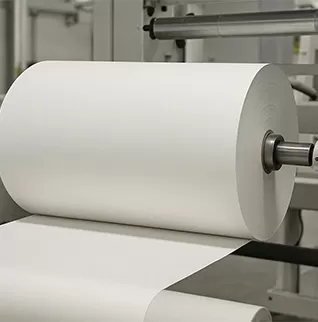
Jumbo rolls for converters
Self-adhesive thermal labels
3. Customization Capability
Size, GSM, and core diameter customization
OEM packaging support
Branding solutions for distributors
4. Export Experience
Strong supply chain for global markets
Reliable delivery and container loading efficiency
Future Outlook
The thermal paper industry is expected to maintain steady growth driven by:
Continued reliance on physical receipts
Expansion of global logistics networks
Increasing demand for labeling solutions
At the same time, innovation in eco-friendly coatings and high-performance materials will define competitiveness in the next phase of industry development.
FAQ: Thermal Paper
1. What is the difference between thermal paper and normal paper?
Thermal paper uses heat-sensitive coatings to create images without ink, while normal paper requires ink or toner for printing.
2. Is BPA-free thermal paper important?
Yes. Many countries regulate BPA usage due to health concerns, making BPA-free or phenol-free thermal paper a preferred option.
3. How long does thermal paper last?
Standard thermal paper lasts 2–5 years, while top-coated thermal paper can last longer depending on storage conditions.
4. Can thermal paper be recycled?
Thermal paper is recyclable, but the process depends on local recycling systems and the type of coating used.
 English
 français
 Deutsch
 Español
 italiano
 русский
 português
 tiếng việt
 Türkçe
 العربية
 Indonesia