Introduction
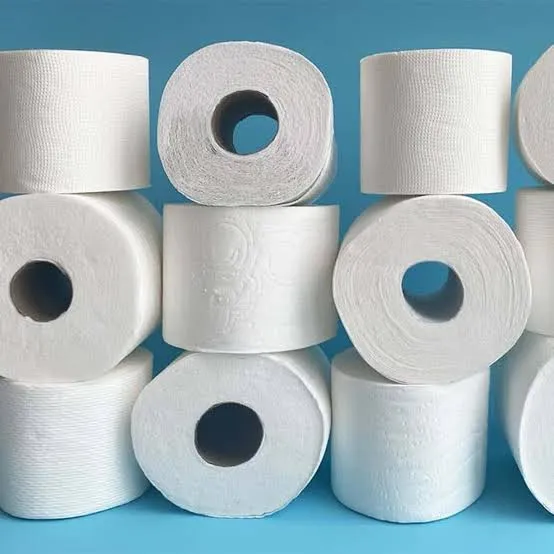
Toilet tissue is an everyday paper product, but its quality depends on much more than softness and appearance. For manufacturers, wholesalers, and distributors, factors such as fiber quality, basis weight, strength, absorbency, and converting performance all influence the final product. So, what should buyers consider when choosing toilet tissue paper?
1. Fiber Quality Matters
Raw material is one of the key factors influencing toilet tissue performance and overall product quality. Virgin wood pulp is widely used in high-quality tissue production because it can provide a well-balanced combination of softness, strength, absorbency, and cleanliness. The characteristics of the pulp, including fiber length, fiber strength, and fiber composition, can directly affect the structure and performance of the finished tissue.
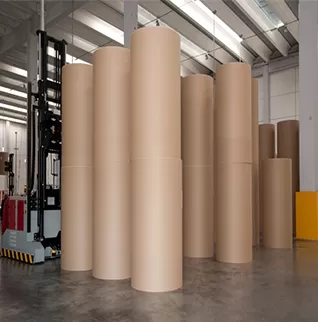
Recycled fiber can also be used for certain tissue products, particularly where cost efficiency and environmental considerations are important. However, the choice of recycled or virgin fiber should depend on the specific application, quality requirements, and target market. For tissue manufacturers, selecting the appropriate raw material is therefore not simply about choosing one type of fiber, but about finding the right balance between product performance, production cost, sustainability, and end-use requirements.
2. Softness and Strength Need to Be Balanced
Softness is an important consideration for toilet tissue, but a softer sheet does not necessarily mean a better product.
If the paper is too weak, it may tear easily during use or converting. If it is too dense or strong, it may affect softness and absorbency.
A well-designed tissue product needs to achieve an appropriate balance between:
Softness
Wet and dry strength
Absorbency
Bulk
Sheet integrity
3. Basis Weight Affects the Final Product
The basis weight, measured in GSM, directly affects the thickness, bulk, and strength of tissue.
However, higher GSM does not automatically mean better quality. Tissue manufacturers often need to consider fiber type, creping, bulk, and sheet structure together.
For multi-ply toilet tissue, the combination of sheet weight and ply structure also plays an important role in the final product.
4. Absorbency Is Another Key Performance Factor
Good toilet tissue should absorb moisture efficiently while maintaining sufficient sheet integrity.
Absorbency is influenced by the paper's fiber characteristics, formation, bulk, and manufacturing process. Excessive density can reduce the space available for liquid absorption, while an appropriate structure can improve both absorbency and softness.
5. Converting Performance Should Not Be Overlooked
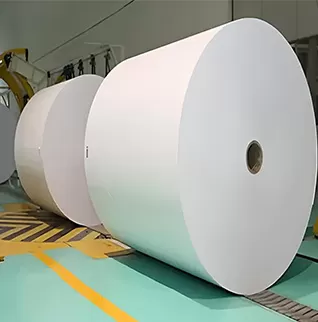
For tissue converters, the base paper must also perform well during processing.
Important considerations include:
Rewinding performance
Perforation quality
Folding and embossing
Roll formation
Dust and lint control
Sheet consistency
A tissue paper that performs well in the mill but causes problems during converting can still result in higher production costs.
6. Choosing the Right Tissue Paper for Different Markets
Different markets have different expectations for toilet tissue. Some focus heavily on softness and premium appearance, while others prioritize cost efficiency, strength, and absorbency.Therefore, buyers should evaluate tissue paper based on the complete product requirements rather than focusing on a single specification.
At China Paper, we believe that consistent tissue quality starts with the right combination of raw materials, production control, and quality management. From fiber selection to finished paper performance, every step can influence the final user experience. Better tissue paper is not simply softer or stronger—it is about achieving the right balance between comfort, performance, consistency, and cost.
 English
 français
 Deutsch
 Español
 italiano
 русский
 português
 tiếng việt
 Türkçe
 العربية
 Indonesia