What Is Duplex Board Paper? Definition, Structure, and Industrial Role
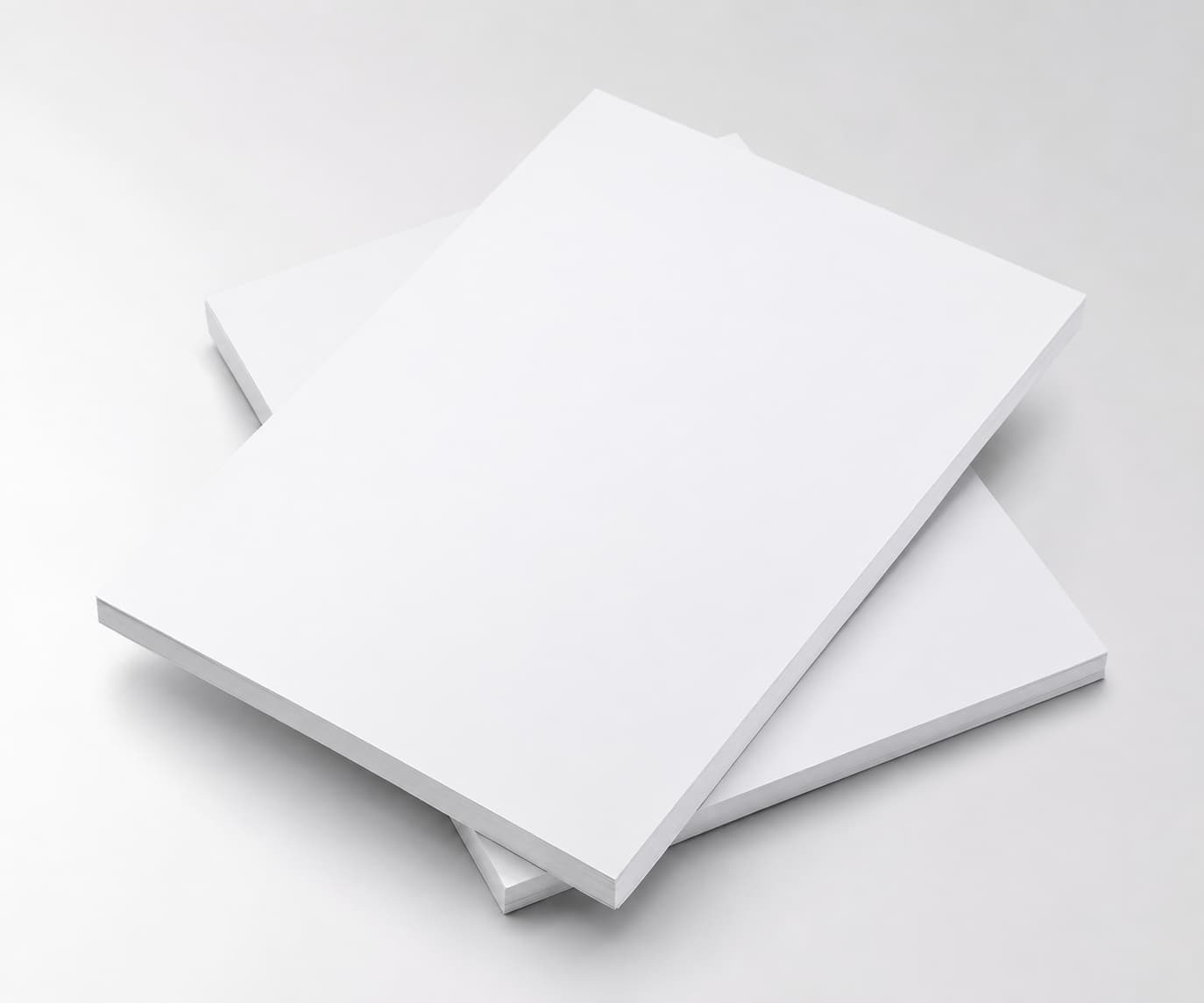
Duplex board paper is a multi-layer paperboard with a coated white printing surface on one side and a grey or white reverse side, designed primarily for folding carton and retail packaging applications. Structurally, it is made by bonding multiple fiber layers together. The top layer is coated using clay or similar mineral coatings to improve smoothness and ink absorption, while the bottom layer is typically made from recycled fibers to reduce cost and improve structural rigidity.
In practical packaging systems, duplex board is used when only one side requires high-quality printing, while the inner structure needs to remain economical and strong. A widely used category in global supply chains is duplex board with grey back, which is particularly common in consumer goods packaging due to its cost advantage and stable performance. In the china paper market, duplex board has become one of the most consistently demanded packaging materials because it supports both domestic production and export-oriented carton manufacturing.
Types of Duplex Board: Grey Back, White Back, and Coated Grades
Duplex board is generally classified based on back-layer treatment and surface coating quality. These differences affect printing performance, cost structure, and application suitability.
Grey Back Duplex Board (Most Common Type)
Grey back duplex board uses recycled pulp on the reverse side, making it more cost-efficient while still maintaining good stiffness and printability.
It is widely used in mass packaging industries such as food cartons, toy boxes, and consumer retail packaging.
A supply reference from duplex paper suppliers shows that grey back grades dominate mid-range packaging demand due to their cost-performance balance.
White Back Duplex Board
White back duplex board features a bleached or coated reverse side, improving visual appearance and making it suitable for premium packaging where internal aesthetics matter.
Coated Duplex Board (High-Grade Printing Surface)
This type includes enhanced surface coating for sharper print output, often used in branding-heavy packaging applications such as cosmetics or luxury retail cartons.
Grey Back vs White Back Duplex Board: Practical Differences
The difference between grey back and white back duplex board is not only visual but also functional in production planning.
Grey back boards are more economical due to higher recycled fiber content, while white back boards provide better presentation quality.
Key differences in real applications:
Grey back → cost-sensitive mass packaging
White back → branding-focused packaging
Grey back → higher recycled fiber content
White back → cleaner internal appearance
Comparison Table
| Feature | Grey Back Duplex Board | White Back Duplex Board |
| Cost Level | Lower | Higher |
| Printing Surface | Single coated white side | Cleaner dual appearance |
| Structural Core | Recycled fiber | Bleached or mixed fiber |
| Typical Use | FMCG cartons, food boxes | Cosmetics, premium retail |
| Production Focus | Cost efficiency | Visual presentation |
In most industrial procurement strategies, duplex board with grey back remains the default option for high-volume packaging due to its stable supply chain and cost efficiency.
Main Applications of Duplex Board in Packaging Industry
Duplex board is widely used across multiple packaging categories because it supports die-cutting, folding, lamination, and offset printing processes.
Common application areas include:
Food packaging cartons (dry food, bakery boxes)
Pharmaceutical outer packaging (medicine boxes, OTC products)
Cosmetics and personal care packaging
Consumer electronics and retail cartons
In export-oriented production systems, duplex board is frequently selected for secondary packaging due to its adaptability in automated carton production lines.
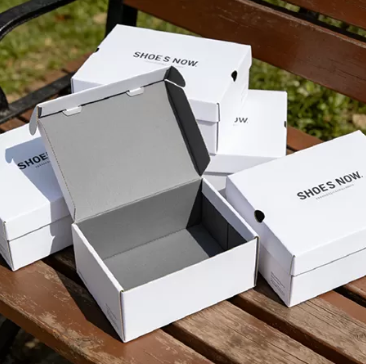
Advantages of Duplex Board in Modern Packaging Systems
Duplex board continues to be widely adopted because it provides a balanced combination of functional and economic benefits.
1. Structural Strength with Lightweight Design
It offers sufficient stiffness for folding cartons while maintaining relatively low material weight.
2. Cost Efficiency for Large-Scale Production
Recycled fiber usage helps reduce overall material costs, making it suitable for mass production.
3. High Print Compatibility
The coated surface allows stable ink absorption and consistent offset printing results.
4. Recyclability and Sustainability
Many grades support recycling systems, aligning with modern sustainable packaging requirements. These characteristics explain why many duplex paper suppliers continue to prioritize duplex board as a core product line for global markets.
Duplex Board vs Other Packaging Papers
In packaging material selection, duplex board is often compared with FBB (Folding Box Board), kraft paper, and C2S paper. FBB provides higher rigidity and brightness but comes at a higher cost. Kraft paper offers excellent strength but limited print quality. C2S paper provides premium print results but is less cost-efficient for bulk packaging.
Material Comparison Table
| Material | Strength | Print Quality | Cost Efficiency |
| Duplex Board | Medium–High | Good | High |
| FBB | High | Excellent | Low |
| Kraft Paper | High | Medium | Medium |
| C2S Paper | Medium | Excellent | Low |
Within this spectrum, duplex board remains a balanced solution widely adopted across packaging industries.
How to Choose the Right Duplex Board Grade
Selecting the appropriate duplex board grade depends on packaging structure, product weight, and printing requirements.
Key selection factors:
GSM level (thickness and stiffness)
Printing complexity (brand graphics vs simple design)
Packaging strength requirement (light vs heavy goods)
GSM (grams per square meter) is a key measurement used to determine board thickness. Higher GSM generally indicates stronger rigidity and better protective performance.
Conclusion
Duplex board remains one of the most widely used packaging materials due to its balance of cost, printability, and structural performance. From grey back to coated variants, it supports diverse applications across food, retail, and industrial packaging. In the global supply chain, especially within the china paper market, it continues to serve as a core material for carton manufacturing. Its adaptability and efficiency ensure its long-term relevance in modern packaging systems.
Frequently Asked Questions (FAQs)
1. What is duplex board mainly used for?
It is mainly used for folding cartons in food, cosmetics, pharmaceuticals, and retail packaging industries.
2. What is the difference between grey back and white back duplex board?
Grey back uses recycled fibers and is more cost-efficient, while white back provides better visual appearance and higher-end packaging use.
3. Is duplex board environmentally friendly?
Yes, most duplex boards use recycled fibers and are widely recyclable, making them suitable for sustainable packaging systems.
4. What GSM range is common for duplex board?
Typical duplex board GSM ranges from 180gsm to 450gsm depending on packaging strength requirements.
 English
 français
 Deutsch
 Español
 italiano
 русский
 português
 tiếng việt
 Türkçe
 العربية
 Indonesia