Introduction
Against the accelerating global sustainability transition, “Zero Waste” has evolved from an environmental concept into a key standard across global supply chains. In the packaging industry, reducing waste generation and improving material circularity have become essential priorities for both manufacturers and brands.
Within this context, paper-based packaging is emerging as a critical solution due to its recyclability, renewability, and lower environmental impact throughout its lifecycle, making it a strong alternative to traditional plastic-based packaging materials.
What Is Zero Waste?
Zero Waste is a systematic resource management and design philosophy aimed at minimizing waste generation through optimized product design, material selection, and recycling systems, while reducing dependence on landfill and incineration.
In the packaging sector, Zero Waste focuses on:
Reducing single-use packaging materials
Improving material recycling efficiency
Minimizing environmental impact across the product lifecycle
Transitioning from a linear economy to a circular economy
This concept is driving a structural transformation in the global packaging industry.
Why Paper-Based Packaging Is an Important Solution
Compared with conventional plastic and composite materials, paper-based packaging offers multiple sustainability advantages, making it one of the most viable alternatives in the global transition toward sustainable packaging.
1. High recyclability supporting circular economy systems
Paper-based materials can be efficiently collected and reprocessed through established municipal recycling systems, re-entering the paper production cycle.
This significantly reduces landfill pressure and lowers overall waste management costs, enabling packaging systems to better align with circular economy principles.
According to the US Environmental Protection Agency (EPA), improving recycling rates is a key pathway to reducing the environmental impact of solid waste systems.
2. Renewable resource with sustainable supply potential
Paper is derived primarily from wood pulp or recycled fibers, making it a renewable material source. With sustainable forest management systems in place, paper-based materials can be continuously supplied without depleting natural resources.
The Food and Agriculture Organization (FAO) emphasizes that sustainable forest management is essential to ensuring long-term fiber resource availability for the paper industry.
3. Lower lifecycle carbon emissions
From a life cycle assessment (LCA) perspective, paper-based materials generally generate lower carbon emissions across production, processing, usage, and recycling stages compared to conventional plastic and composite packaging materials.
This makes paper packaging a key contributor to corporate carbon reduction strategies and global carbon neutrality goals.
Relevant methodologies are supported by ISO 14040 / ISO 14044 Life Cycle Assessment standards and IPCC climate change reports.
4. Wide applicability across industries
Paper-based packaging offers strong processing adaptability and structural flexibility, allowing it to be engineered for various applications, including:
Food and beverage packaging
Retail and brand packaging
E-commerce and logistics packaging
Industrial and commercial labeling applications
This versatility makes paper one of the most scalable alternatives to plastic packaging globally.
China Paper’s Zero Waste Paper-Based Solutions
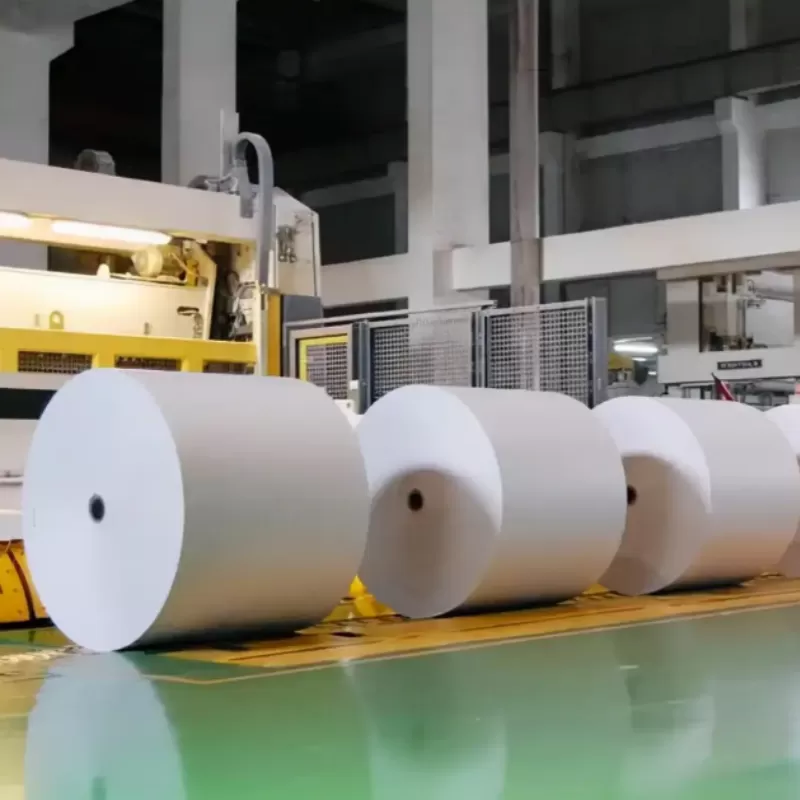
As a professional paper manufacturer and exporter, China Paper is committed to providing sustainable paper-based material solutions that support global packaging transformation and sustainability goals.
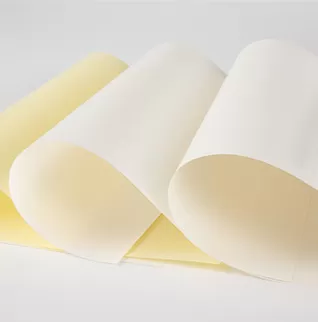
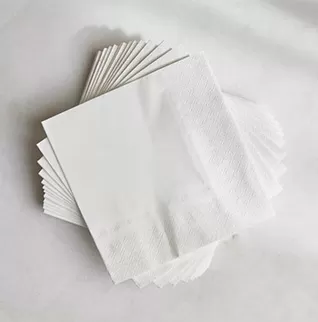
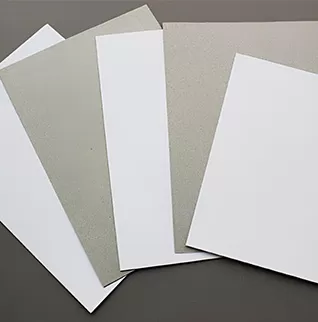
Our product portfolio covers key application areas, including food-grade packaging boards (such as liquid packaging board and cupstock board), folding box board (FBB), recycled kraft paper and linerboard, as well as coated and uncoated packaging papers.
These products are designed with a focus on recyclability, material efficiency, and environmental compliance, helping customers reduce overall packaging waste while maintaining performance and functionality.
Application Areas
Zero Waste paper-based packaging is widely used across multiple industries, including:
Food and beverage packaging
E-commerce and logistics packaging
Retail packaging and paper bags
Commercial printing and industrial labeling
With increasing sustainability requirements from global brands, paper-based materials are transitioning from alternative options to mainstream packaging solutions.
Global Sustainability Trends Driving Industry Transformation
Across global markets, environmental regulations and industry standards are reshaping packaging material structures:
The EU Packaging and Packaging Waste Regulation (PPWR) is strengthening requirements for packaging reduction and recyclability
North American markets are increasing standards for recyclable and renewable materials
Global brand supply chains are accelerating green procurement and carbon reduction initiatives
These developments are collectively driving the substitution of plastic packaging with paper-based materials and accelerating the transition toward a circular economy.
Conclusion
Zero Waste is not only an environmental concept but also a fundamental direction for the future of the global packaging industry.
China Paper will continue to provide high-quality, recyclable, and sustainable paper-based material solutions, supporting global customers in achieving long-term sustainable packaging transformation.
Through the wider adoption of paper-based materials, the industry is moving toward a lower-carbon, circular, and more sustainable future.
 English
 français
 Deutsch
 Español
 italiano
 русский
 português
 tiếng việt
 Türkçe
 العربية
 Indonesia