Introduction
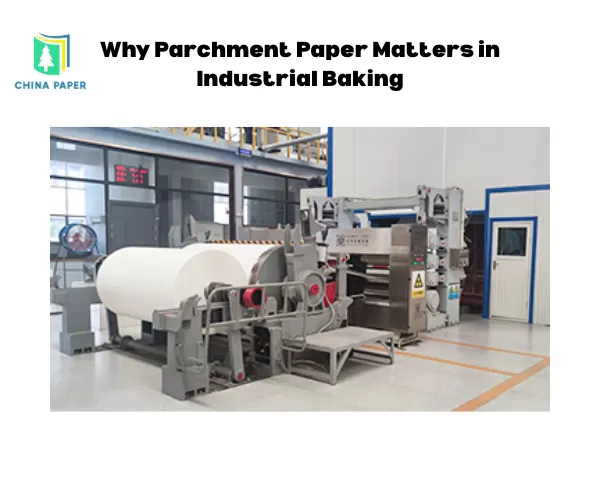
In food packaging and baking applications, baking paper and parchment paper are often used interchangeably. However, there are subtle differences in production process, performance, and application scenarios that are important for both industrial users and end consumers.
1. Definition
Baking paper generally refers to grease-resistant paper designed for baking and cooking applications. It is treated or coated to withstand high temperatures and prevent food from sticking. Parchment paper is a specific type of baking paper that is usually produced through a special chemical treatment (such as sulfuric acid processing or silicone coating) to create a denser, heat-resistant, and non-stick surface.
2. Heat Resistance
Both materials are designed for high-temperature environments, but parchment paper typically offers higher stability under continuous heat exposure, making it suitable for more demanding baking processes such as pastry production or industrial ovens. Baking paper also performs well in oven use, but its heat resistance depends on coating quality and base paper grade.
3. Non-stick Performance
Parchment paper generally provides a more consistent non-stick surface, which is critical for delicate baked goods like cakes, cookies, and pastries. Baking paper also offers non-stick properties, but performance may vary depending on silicone coating level or manufacturing standards.
4. Grease and Moisture Resistance
Both materials provide grease resistance, but parchment paper typically has stronger resistance to oil penetration and moisture, making it suitable for longer baking cycles or high-fat food products.
5. Applications
Baking Paper Applications:
Home baking
General food preparation
Takeaway food wrapping
Light-duty oven use
Parchment Paper Applications:
Professional bakery production
Industrial food processing
High-temperature baking operations
Delicate pastry and confectionery production
6. Industry Perspective
In the packaging and food service industry, both baking paper and parchment paper are essential materials. The choice depends on performance requirements, cost considerations, and application intensity.
At China Paper, we supply both baking paper and parchment paper designed for:
Stable heat resistance
Excellent grease protection
Food-grade safety compliance
Flexible customization for different markets
Conclusion
While baking paper and parchment paper are closely related, parchment paper generally represents a higher-performance category with stronger heat and grease resistance. Baking paper, on the other hand, offers a more versatile and cost-effective solution for general applications.Choosing the right material depends on your production needs, baking environment, and performance expectations.
 English
 français
 Deutsch
 Español
 italiano
 русский
 português
 tiếng việt
 Türkçe
 العربية
 Indonesia